
The D2C market is evolving fast, but growth still comes down to execution. This edition looks at what’s changing across the ecosystem and how small, thoughtful CRO decisions can unlock big conversion wins.
1. Myntra removes commissions for emerging D2C brands
Myntra rolled out a zero-commission model for select fashion, beauty, and lifestyle D2C brands to help them scale faster.
Signal: Marketplaces are becoming more brand-friendly to attract quality D2C sellers.
Why it matters: Lower fees improve margins and give brands more room to invest in marketing, retention, and product innovation.
2. Beauty & skincare sales jump 160% on quick-commerce platforms
Quick-commerce apps are seeing massive growth in beauty and personal care, driven by impulse buying and fast delivery.
Signal: Q-commerce is no longer just for groceries — lifestyle categories are breaking through.
Why it matters: D2C brands need faster fulfilment strategies and tighter SKU planning to win these high-intent moments.
3. Over 60% of ecommerce demand now comes from Tier-2 & Tier-3 cities
Smaller cities are driving India’s ecommerce growth, though digital trust and AI adoption remain uneven.
Signal: “Bharat” is the real growth engine — but needs simpler, trust-first experiences.
Why it matters: Brands that localise UX, language, and support can build long-term loyalty ahead of competitors.
4. Meesho doubles down on AI to boost conversion and discovery
Meesho is expanding AI-powered chat, voice shopping, and discovery tools as part of its growth strategy.
Signal: AI is becoming core infrastructure, not a nice-to-have.
Why it matters: Personalisation and automation will define conversion rates — even for D2C brands, not just marketplaces.
5. Premium D2C brands continue to attract growth capital
Funding momentum remains strong for differentiated consumer brands with clear scale and unit economics.
Signal: Investors are backing brands with strong product-market fit and operational maturity.
Why it matters: Growth capital is still available — but only for brands building defensible systems, not hype.
Industry shifts are important, but how those signals translate on your website is where real impact is created. Here’s a behind-the-scenes look at how we turned a complex buying flow into a frictionless experience for a fast-growing D2C brand.
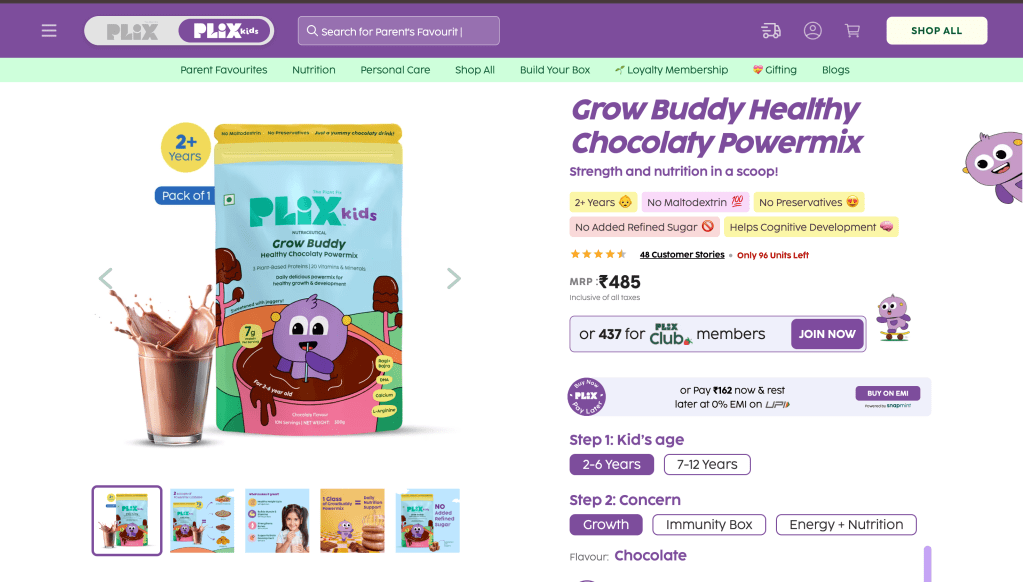
Kids’ nutrition is a high-intent category.
But on the Plix Kids product page, we noticed a subtle yet critical problem:
Too many choices.
Too much scrolling.
And key information disappearing just when parents needed it most.
Plix Kids products aren’t simple single-SKU items.
Each purchase depends on multiple selections:
Every combination dynamically maps to a different Shopify product.
Here’s where things broke:
Shopify’s default PDP structure simply isn’t built for this kind of multi-layered selection logic.
We had to solve three things at once:
This wasn’t a UI tweak.
It was a structural CRO problem.
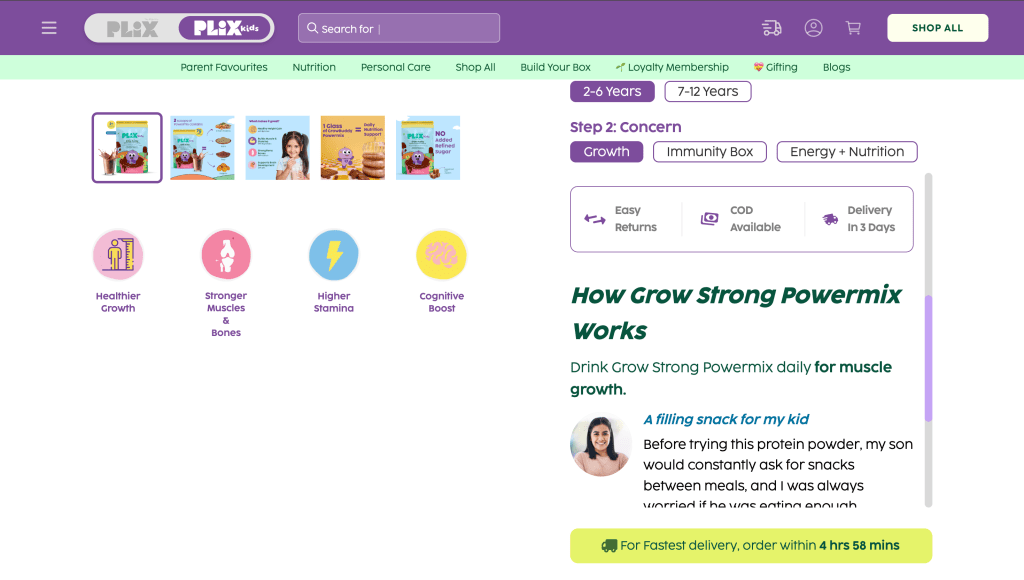
We re-engineered the PDP interaction flow.
Sticky Scroll Experience
Selection-First Logic
Smooth Variant Switching
Parents don’t want to “figure out” a product page. They want clarity, confidence, and speed.
This change:
Protected conversions without compromising flexibility

As D2C brands scale, products get smarter, but Shopify defaults don’t. Winning PDPs aren’t about adding more information. They’re about controlling what moves, what stays, and when decisions happen.
At FarziEngineer, this is what we do best:
Turn complex buying logic into seamless customer experiences.
We’ve already prepared a free CRO + business analysis tailored to your brand, highlighting where conversions leak and where growth can be unlocked.
Book a quick call with us to walk through it together. No pitches. Just insights you can act on.
Schedule your free review – form
Build Better by FarziEngineer
– where CRO meets real product engineering.


