 ChatGPT
 Perplexity
 Claude

Connect with us
Let's build something that scales. Reach out or follow along.

AI was supposed to help us think faster. Instead, we’re slowly reaching a point where people don’t want to think until AI has given them something to react to. Ask AI for an idea. Ask it to improve the idea. Ask it to find what’s wrong with it.
Read More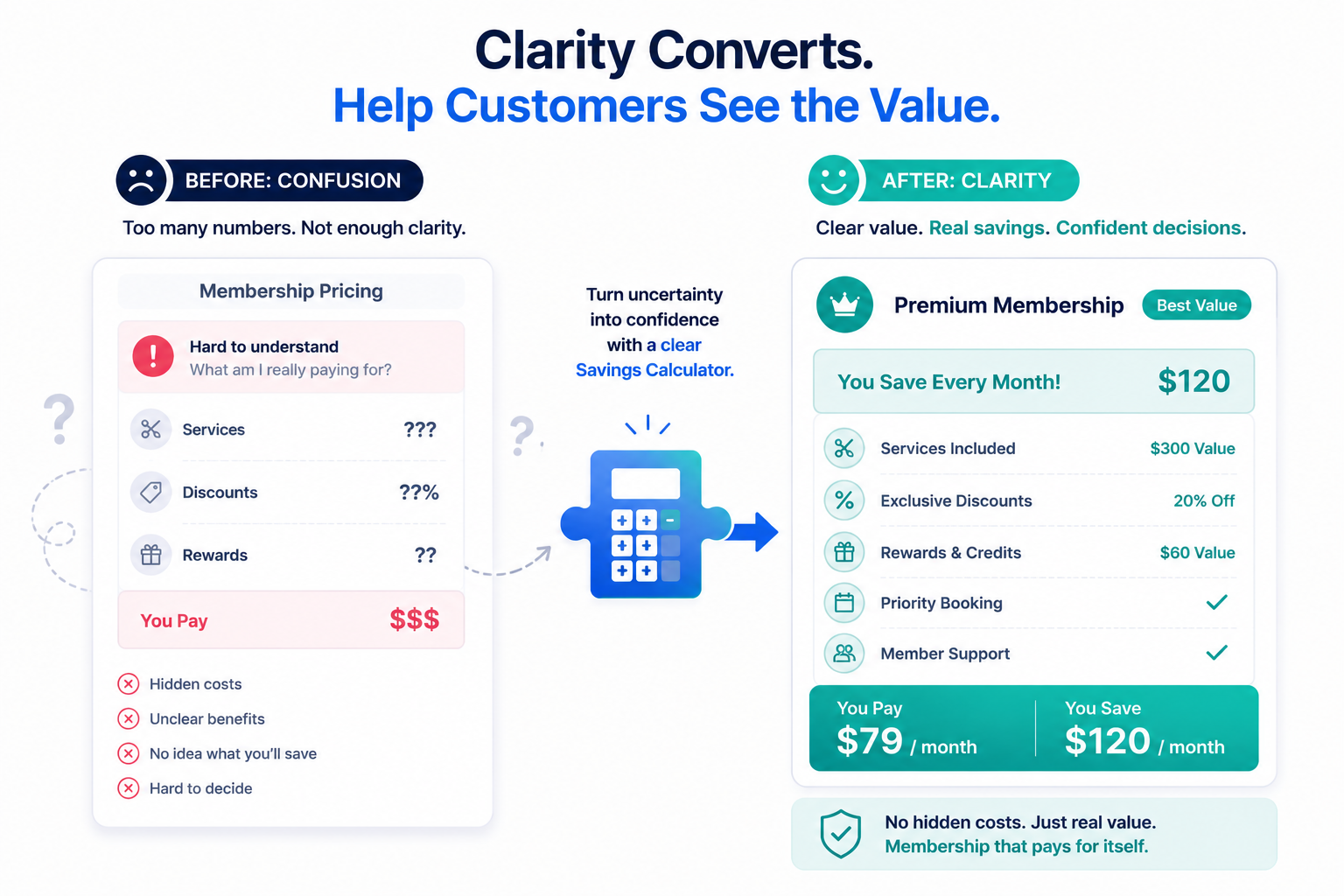
One of the biggest mistakes businesses make is assuming customers understand their pricing. We explain it every day, so it feels obvious to us. But for someone seeing it for the first time, it rarely is. Recently, while working on a membership experience for a client, we noticed
Read More
Most conversations around AI focus on one question: Will it replace jobs? Inside our product team, we found a different answer. AI didn’t replace our Project Manager. It replaced the repetitive work that slowed projects down. Meeting summaries, requirement documents, SQL drafts, user stories, competitor research, and first-pass
Read More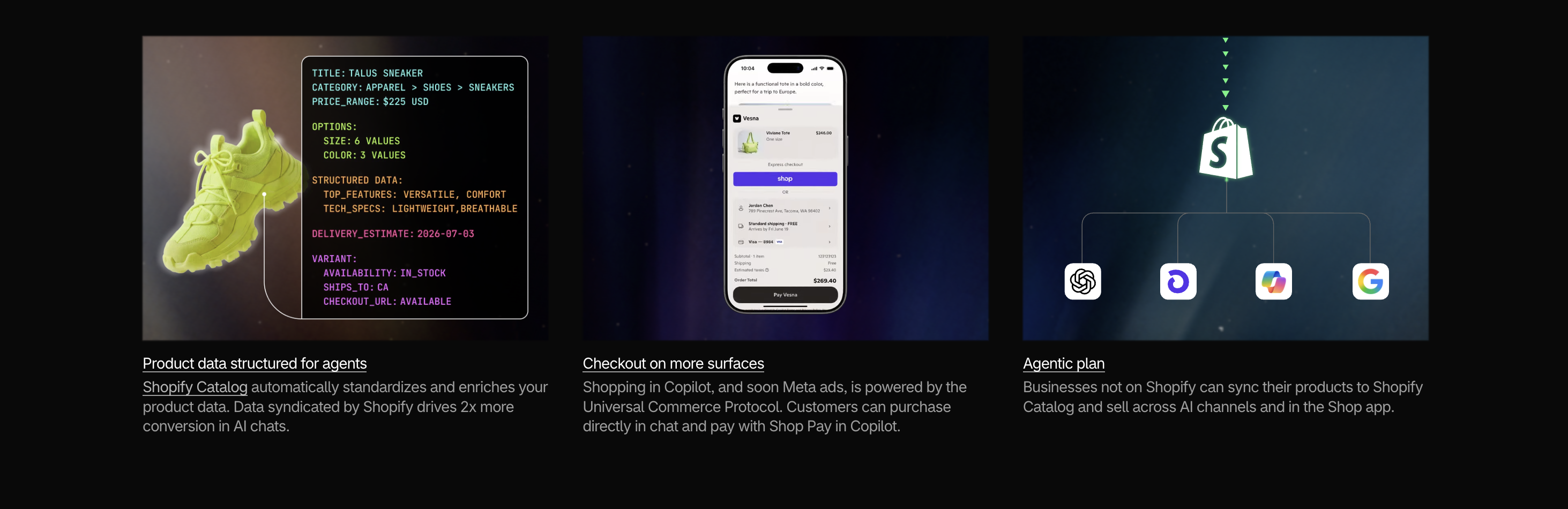
Your homepage is not where your next customer will find you. They’ll find you inside ChatGPT. Inside Google AI Mode. Inside Copilot. And if your product data isn’t structured, clean, and machine-readable, they’ll find your competitor instead. Shopify’s Spring ’26 Edition shipped June 17, 2026, with 150+ updates.
Read More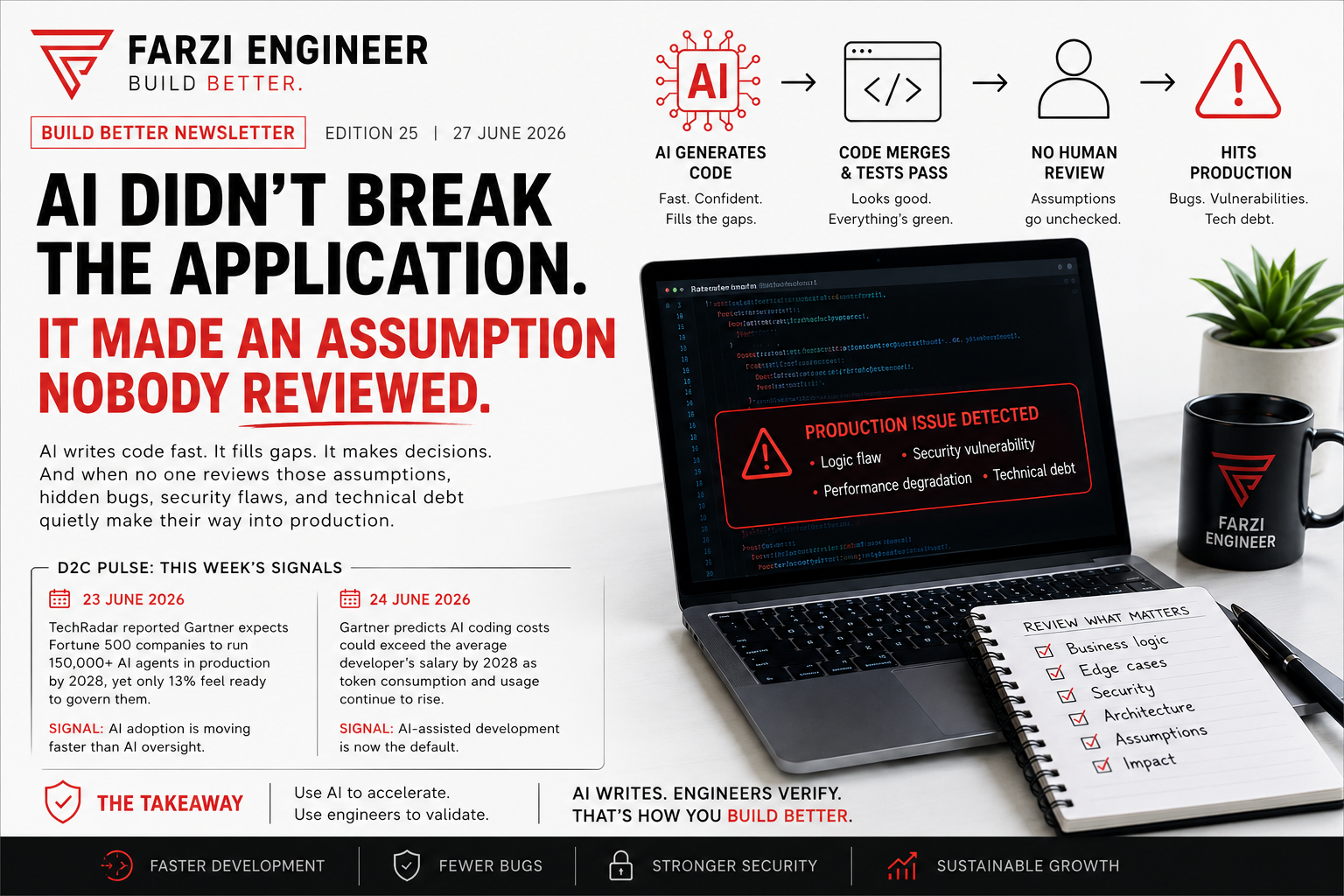
AI didn’t break the application. It quietly made an assumption that nobody reviewed. That’s the failure mode more engineering teams should be paying attention to. Not a dramatic hallucination.Not a failed deployment.Just AI generating code for an edge case it didn’t fully understand, filling in missing requirements, or
Read More
Most brands chase new customers. CAC keeps rising. The only brands winning are the ones who stopped relying on it. Retainley was built for exactly that. And now it’s available as a Shopify app so brands can find it, install it, and start seeing results without a single
Read More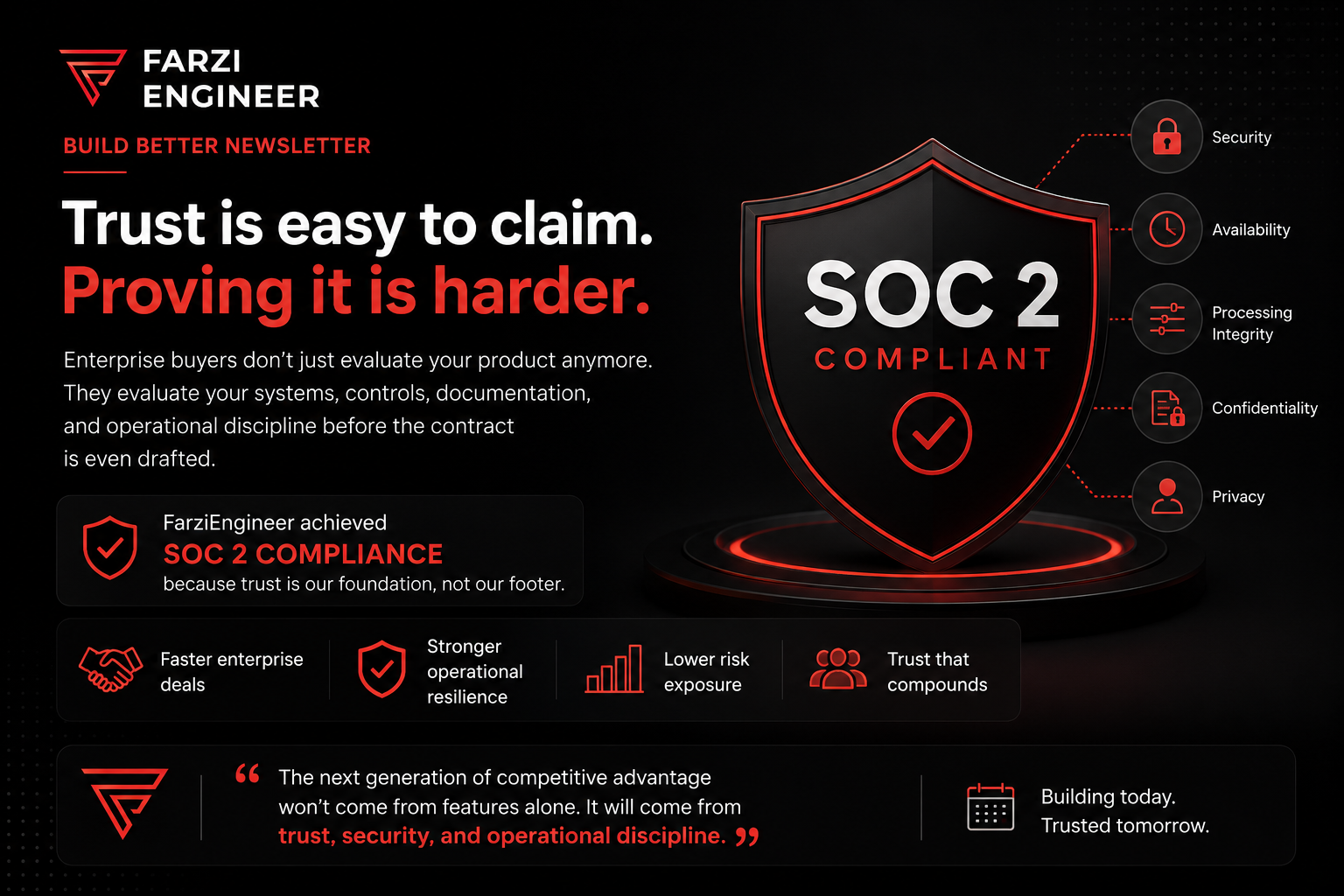
The fastest way to lose an enterprise deal isn’t bad software. Enterprise buyers have changed. They’re not just evaluating your product anymore. They’re evaluating your systems, your controls, your documentation, and your operational discipline before the contract is even drafted. Five years ago, a warm referral closed deals.
Read More
₹180 CPM to get someone to your store. They left because your offer confused them. Plix was losing customers mid-sale, not because the offer was bad, but because customers didn’t understand it. Instagram comments were flooding in: “I bought two, where are my two free products?” The offer
Read More
POV: 60% of Indian D2C orders are COD. 30% of them never get accepted. That’s not a delivery problem. That’s a revenue leak hiding in plain sight. The average RTO on a ₹6,700 COD order costs a brand ₹180–320 in forward logistics, ₹150–250 in return logistics, plus the
Read More

